Encyclopedia
1796 Mutual Assurance Plat
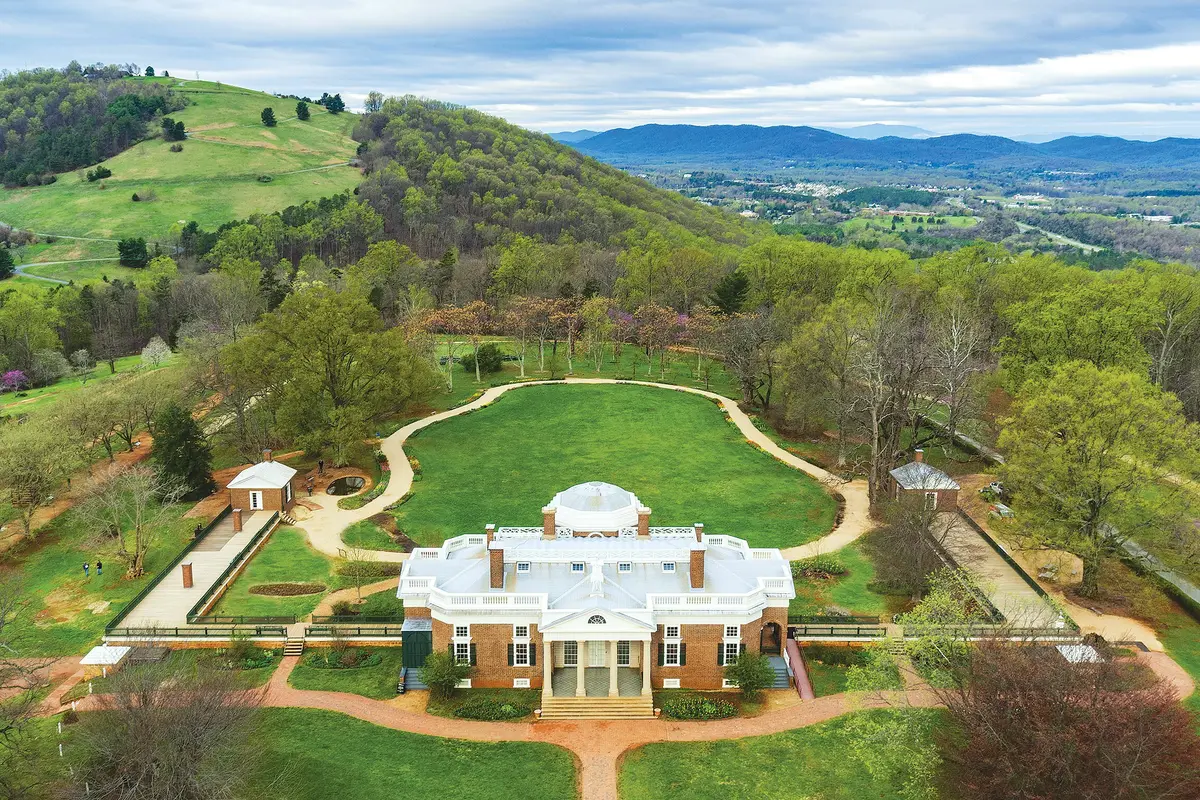
A plat by Jefferson with detailed descriptions and sketches of the main house, South Pavilion, and structures along Mulberry Row.
Articles about the discoveries made by the Thomas Jefferson Foundation's Archaeology Department.
A plat by Jefferson with detailed descriptions and sketches of the main house, South Pavilion, and structures along Mulberry Row.
Stone dwelling probably for enslaved domestic workers
An unnamed log dwelling for the enslaved not listed in Jefferson's records.
Dwelling for enslaved people
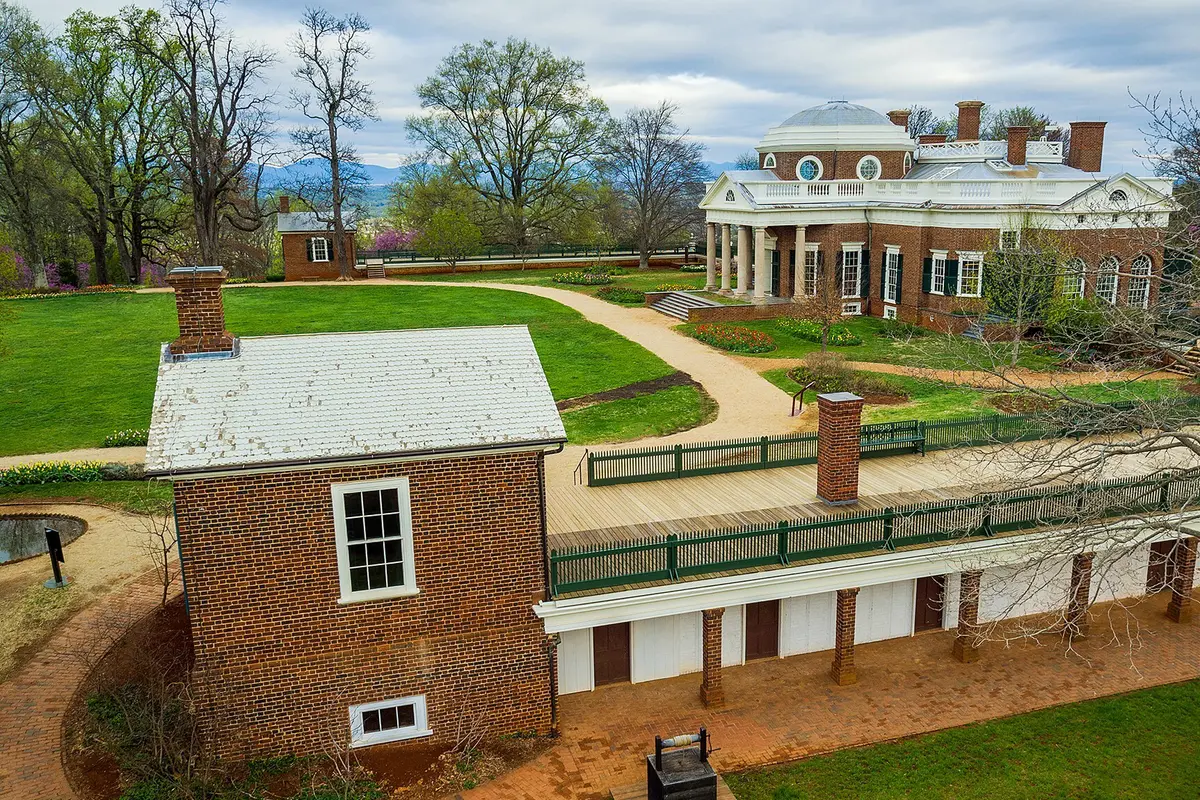
Exciting discoveries in the South Pavilion and the adjacent South Wing that connects the Pavilion to the mansion.
During the 2026 Monticello-UVA Archaeological Field School, students unearthed a piece of 400-million-year-old fossilized tabulate coral — and the trail of evidence leads back to a package of "curious shells" sent to Thomas Jefferson by Revolutionary War hero George Rogers Clark.
Archaeologists at Monticello have recently discovered a brick kiln on the East Lawn of the Monticello mountaintop. This is an exciting development and a reminder that we are still actively learning about Monticello, its built environment, and the people who lived and labored here.
Unlike the documents on which historians rely, archaeological deposits do not come with dates. But there are exceptions.
Three 360-degree recreations of Monticello's Mulberry Row that demonstrate how the plantation changed during Jefferson's lifetime.
A growing body of scholarship on locally made coarse earthenwares in Virginia and the Mid-Atlantic has provided archaeologists with important comparative data and insights into the regional production, marketing, and use of coarse earthenwares.
Minerva Granger was one of the enslaved women who was essential to Jefferson’s agricultural endeavors on his plantation.
How Jefferson, relying on the labor of enslaved workers, sculpted the topography of Monticello's East Lawn in a radical transformation of the mountaintop landscape.
Archaeological excavations in 2012 to advance the Kitchen Road Restoration Project yielded several important discoveries including the possible base of the Kitchen Path that connected the main house to Mulberry Row and to the terraced vegetable garden to the south.
Workshop for tinsmithing and nail-making, and living quarters for enslaved workers.
A new facility uniting Monticello's archaeology, oral history, and slavery research collections, preserving the stories of all who lived at Monticello for scholars and the public.